This documentation is not only included with the program's installation but it can be also viewed on internet.
We've made efforts to provide documentation suitable for every user - an engineer, architect or student - making the starting the use of an application as easy as possible. Theoretical background of building physics and engineering calculations, used algorithms and procedures but also normative information have found their way into the documentation.
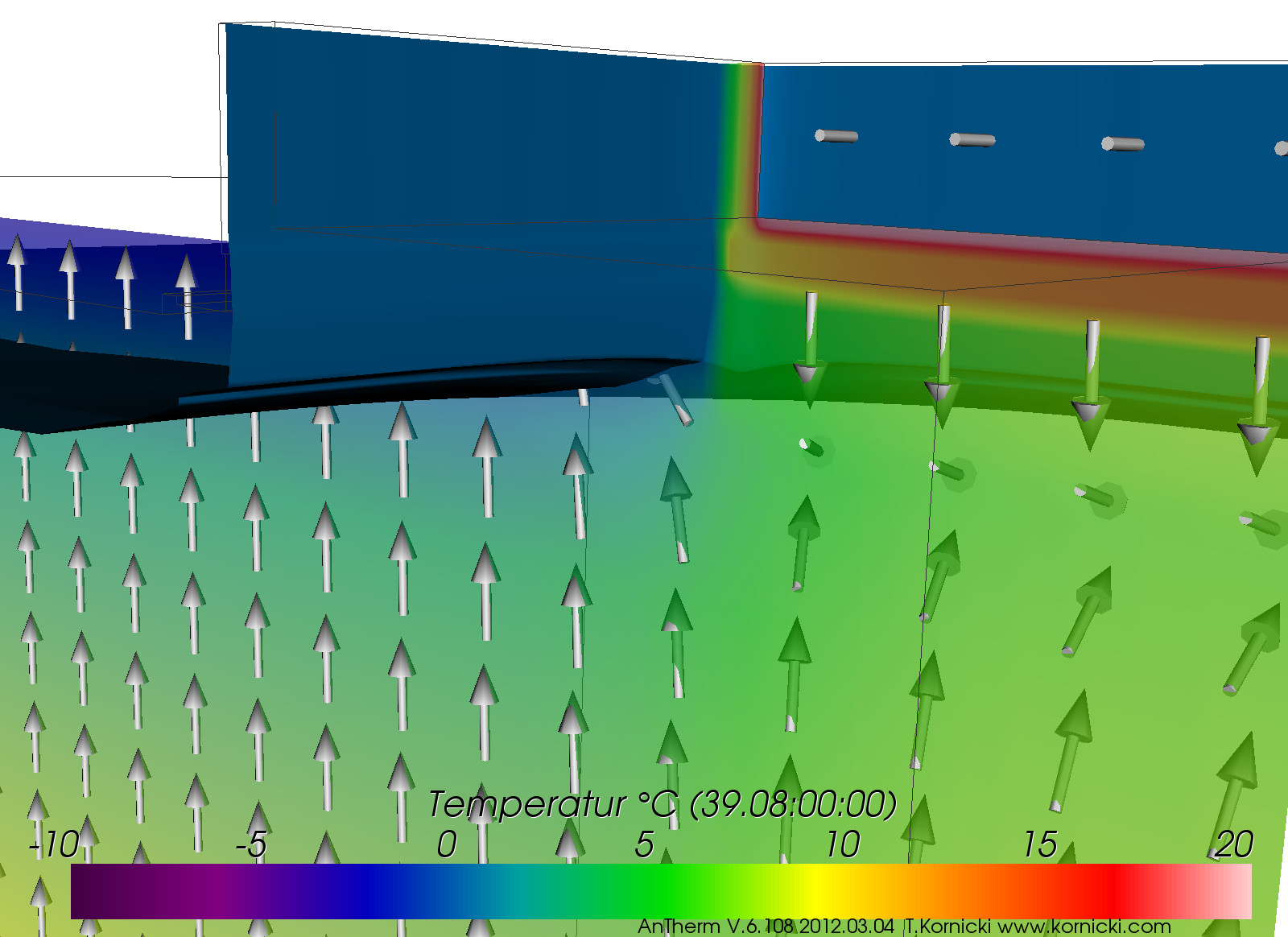
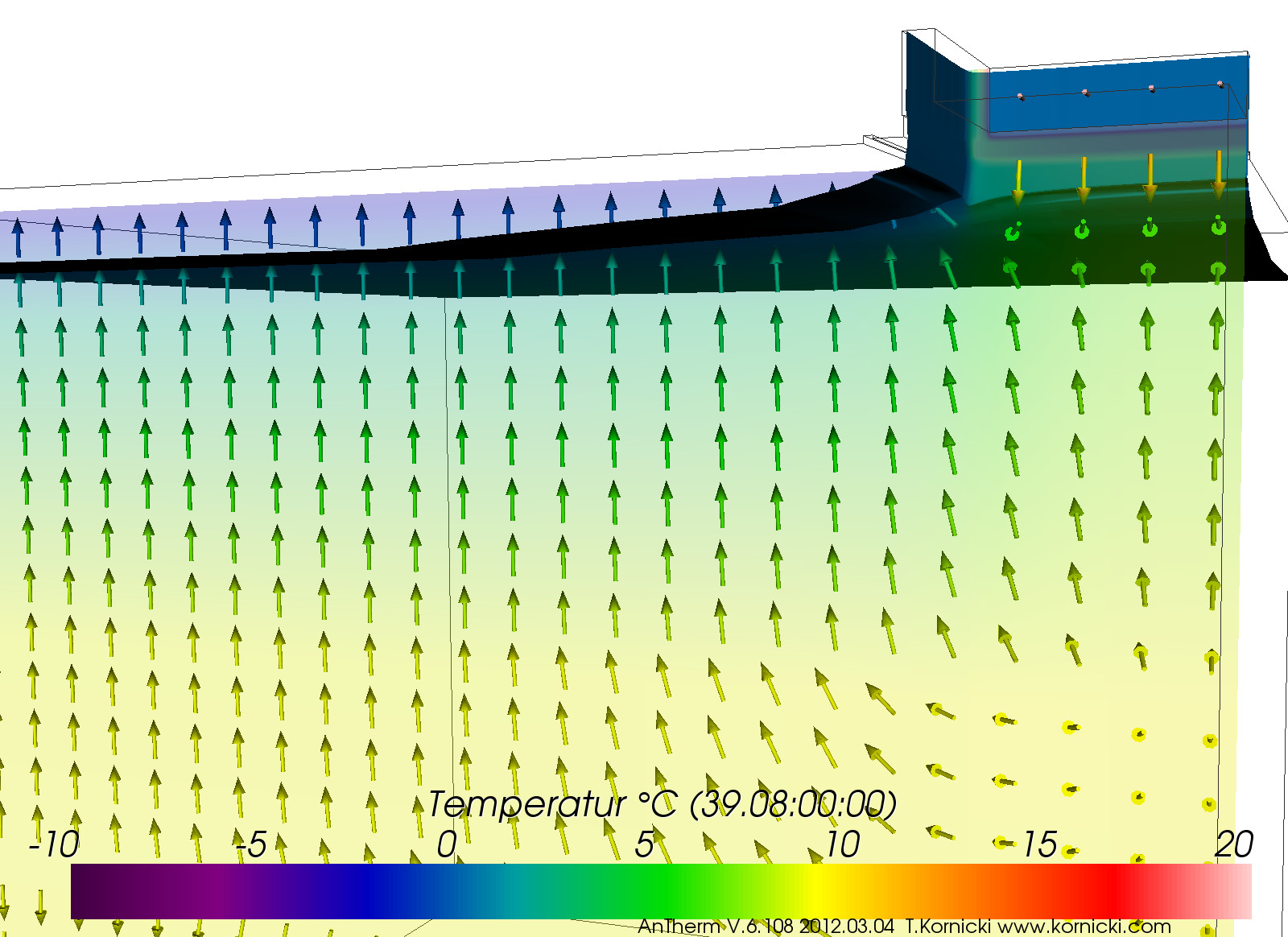
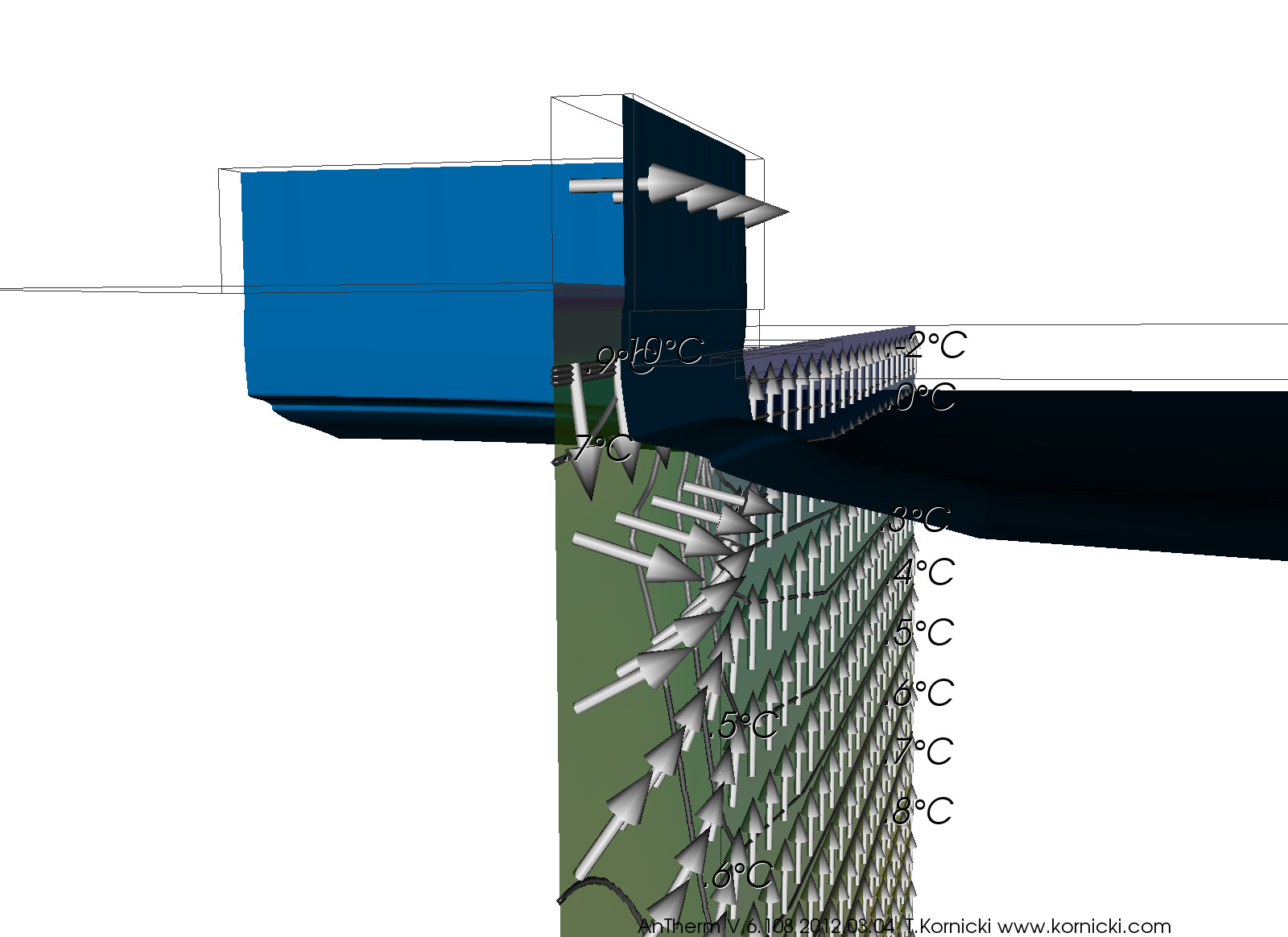
Extensive tutorials enable an easy start for new user leading him through a calculation of a two dimensional and then three dimensional thermal bridge component. The study of examples provides a quick overview of major application's functions. We've selected few common construction components for chosen simulations and thermal heat/cold bridge analyses. Evaluations of heat stream (heat flux) lines, temperature on component's surfaces or throughout an interior of construction or even evaluations of condensing humidity (dew point) to answer the question about the risk of mould growth have been considered in examples chosen.
- Complete application's documentation (HTML, requires HTML-Help navigation component and JavaScript within your browser)
- Complete application's documentation (HTML, without navigational elements)
- The Handbook as PDF-File (9,78 MBytes) Note: Version 6.114 to 8.131 - current version available as HTML above
- Demonstrational videos and examples of results
- Further pictures and examples
- Tutorials / Cook-Books
- FAQ (Frequently Asked Questions)



 Posts
Posts

